What Are the Top 10 Running Sneakers Brands?
Choosing running shoes can feel simple until you compare foam, heel shape, outsole grip, and sizing. A soft landing in a shop may feel different after five miles on pavement. The best brand is not automatically the most popular one. It is the one that suits your feet, training, and usual routes.
This guide compares ten established running sneaker brands, including Nike, Adidas, ASICS, Brooks, New Balance, Hoka, Saucony, On, Puma, and Mizuno. For readers searching “Sneakers Running,” the overview explains what each brand is known for and where its models may fit. It considers cushioning, stability options, road and trail use, product range, and typical price—not just advertising claims. A brand can offer several kinds of shoes, so one model rarely represents its entire lineup. Fit varies, too. Even a well-reviewed shoe may rub at the heel or feel too narrow.
Use the comparison as a starting point, not a final verdict. Check current model details and, when possible, try shoes on with the socks you run in. A short walk around a store helps, but it cannot fully predict comfort on a long run. No ranking can settle every preference. That is worth remembering.
How Running Shoe Brands Are Evaluated
Evaluating running shoe brands requires more than comparing prices or star ratings. A credible review should test fit, cushioning, stability, grip, durability, and weight under consistent conditions. ASTM International’s F1976 standard describes methods for measuring athletic-shoe impact attenuation. That offers useful lab evidence, but it cannot tell a runner how a shoe will feel after six rainy miles.
Real-world testing matters. Reviewers should record the runner’s pace, surface, distance, and foot shape, then repeat tests across multiple sizes where possible. World Athletics’ shoe regulations set a 40-millimeter maximum sole thickness for road-racing shoes; this is a competition rule, not a comfort score. The distinction matters. A shoe can meet the rule and still feel unstable on a cambered sidewalk. Small details count: heel slip, toe-box pressure, and whether wet pavement reduces grip.
Durability claims need patience. A short treadmill session cannot verify performance over hundreds of miles, so reviews should identify mileage and wear conditions instead of implying certainty. No score is perfect. Even careful testers bring personal bias, and one test sample may not represent every pair. I would weigh published methods, repeated user feedback, and clear limitations above polished claims. That makes rankings more useful, though never completely objective.
The Top 10 Running Shoe Brands at a Glance
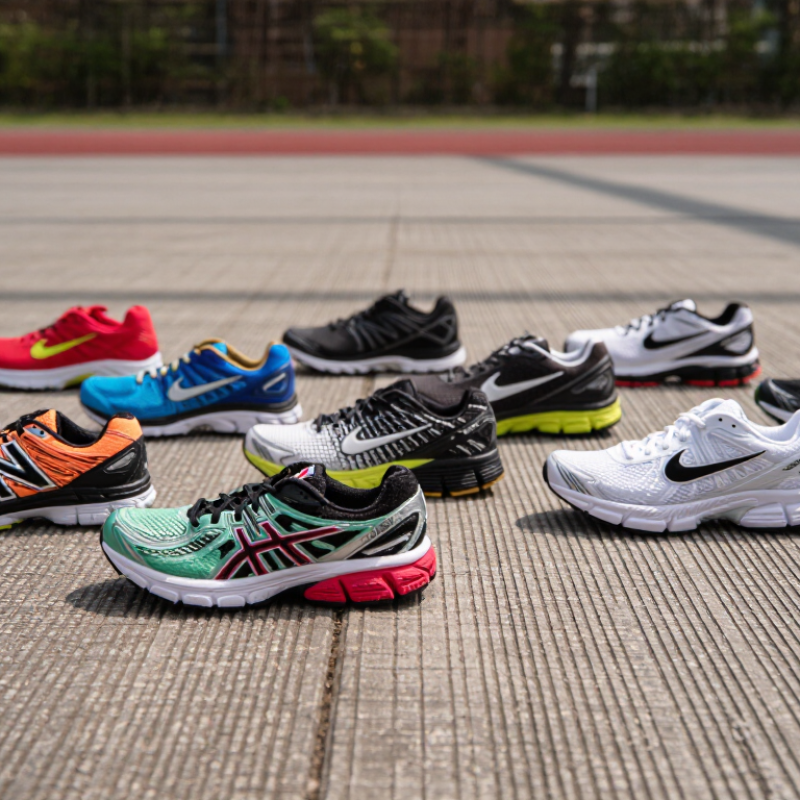
A useful at-a-glance comparison separates ten running-shoe roles: everyday mileage, soft cushioning, stability, tempo sessions, racing, trail grip, lower prices, wide sizing, durability, and beginner-friendly fit. These are buying lanes, not a verified ranking. Fit can humble any list.
The SFIA 2024 Topline Participation Report counted 50.4 million U.S. running and jogging participants in 2023, reflecting a wide range of needs. RunRepeat’s 2019 State of Running analysis covered 107.9 million race results from 1986 to 2018. These figures describe participation, not shoe performance, so they cannot prove which maker is best. Treat them as context, not a verdict.
Compare each brand’s models within the same role and price range. Check whether the shoe feels secure at the heel, leaves room for toes, and stays comfortable after several minutes of jogging. Try it with your usual running socks. For trails, inspect the outsole lugs; for road runs, notice how the cushioning feels on firm ground. A plush ride may feel pleasant in-store but tiring on longer outings. Small fit differences matter. If possible, test both shoes late in the day, when feet may be slightly larger.
Signature Technologies and Design Approaches
Across the leading running-sneaker brands, signature design often comes from a distinct mix of cushioning, geometry, and fit. Some shoes use soft, lightweight foam to absorb impact; others feel firmer and more stable underfoot. A curved sole can encourage a rolling stride, while a wide base may help a shoe feel steadier. These features are design choices, not guarantees of faster running.
Upper materials matter, too. A thin engineered mesh can improve airflow on warm days, while padded collars may feel more secure around the heel. Outsole rubber is often placed where wear is greatest, such as beneath the heel and forefoot. Some models add a stiff plate or structured insert, but that feature can feel awkward at easy paces. More technology is not always better. Fit still matters.
Tips: Try shoes late in the day, when feet may be slightly swollen. Walk, jog, and notice pressure around the toes and heel. Compare comfort, not just cushioning claims. Keep notes after a few runs; first impressions can be misleading. There is no perfect design for everyone, and even experienced runners sometimes choose a shoe that feels wrong after longer miles.
How Brand Strengths Vary Across Running Needs
Choosing among ten leading running-sneaker brands is less about finding one universal winner than matching strengths to a runner’s routine.
A cushioned daily shoe softens pavement impact on easy miles; a lighter, firmer model may feel livelier during intervals. Feel matters. The trade-off is real: extra softness can feel unstable when corners come quickly.
Runners who need guidance through mild inward rolling may prefer a supportive platform, but support should not force the foot into an uncomfortable position. Trail runners often value grippy outsoles, protective toe areas, and secure heel hold; road-focused designs may feel clumsy on loose gravel. Wide feet, high arches, and different heel shapes also change the fit. A size label alone tells little.
When comparing a top-ten shortlist, look beyond marketing claims: weigh, flex, and inspect each shoe, then try it with the socks you actually run in. A brief store jog can reveal heel slip or pressure near the toes, though it cannot predict long-term wear. Test gradually. I would not treat durability estimates as guarantees; mileage, surface, and gait all matter, and even careful comparisons miss something.
Factors to Consider When Choosing a Running Shoe Brand
Choosing a running-shoe brand starts with your feet, routes, and weekly mileage—not its reputation. The 2024 SFIA Topline Participation Report counted 50.4 million U.S. running and jogging participants in 2023, a reminder that runners have varied needs. That figure cannot tell you which shoe will fit your foot. Fit matters.
Check for secure heel hold, comfortable midfoot support, and enough room for your toes to spread. Try shoes with your usual running socks, ideally later in the day, when feet may be slightly larger. Compare size consistency, width options, outsole grip, and return terms across brands. Then test a short run, not just a few steps on carpet. Small details show up quickly.
Treat marketing claims cautiously. A 2009 evidence review in the British Journal of Sports Medicine found insufficient support for choosing running shoes based only on arch type. That is a useful caution, not a complete answer: comfort, training load, and injury history still matter. A shortlist can miss something. Pay attention to pressure points or rubbing after several miles, and reconsider if they persist. The best choice may be less exciting than expected.