Best Sports Shoes for Every Athlete What's the Right Pair for You?
The right pair of sports shoes can significantly impact an athlete's performance. According to the National Athletic Trainers' Association, improper footwear can lead to injuries in about 70% of athletes. This highlights the importance of selecting the best sports shoes for your specific activity. With the market flooded with options, it can be overwhelming to find the ideal fit.
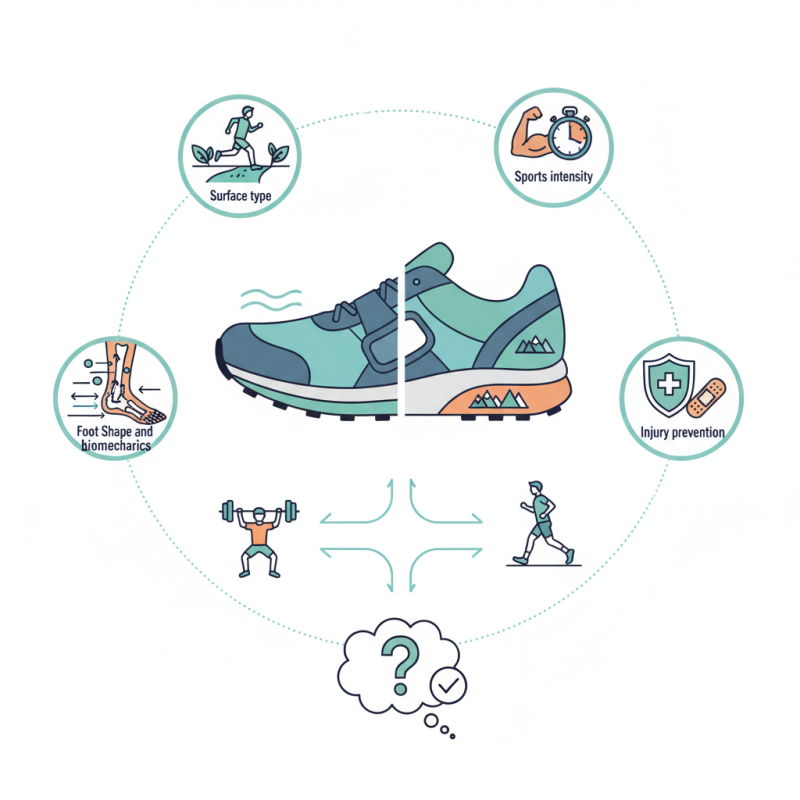
Different sports require different functionalities. For instance, running shoes need ample cushioning, while basketball shoes must provide ankle support. The American Orthopaedic Foot & Ankle Society emphasizes that the wrong shoes can result in chronic pain and long-term damage. Furthermore, every athlete has unique foot shapes and biomechanics, which makes the selection process more complex.
Athletes must also consider factors like surface type and sports intensity. A shoe perfect for gym workouts may not offer the same performance on a trail run. These considerations are crucial, yet many overlook them. The necessity for continual assessment of sport-specific requirements underscores the complexity of finding the right pair of sports shoes. Take time to reflect on your needs and ensure you choose wisely.
Understanding the Different Types of Sports Shoes
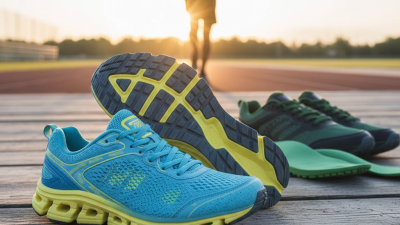
Choosing the right sports shoes involves understanding various types available. Each type is designed with specific functions and features. For instance, running shoes often have cushioned soles to absorb impact. This can lead to better performance and reduced injury risk. According to a 2022 study by the Journal of Sports Sciences, proper footwear can decrease injury rates by up to 25% among runners.
Cross-training shoes offer versatility for various workout styles. They may lack the arch support found in running shoes but provide stability for lateral movements. A report from the American College of Sports Medicine highlights that tailored shoes improve efficiency. However, many athletes make common mistakes, like selecting shoes based solely on aesthetics, which can lead to discomfort and poor performance.
Basketball shoes, another category, are engineered for quick lateral movements. They often feature stronger materials for support. Yet, some wearers find their heft cumbersome, resulting in fatigue. A survey conducted by the Sports Footwear Association indicated that 40% of athletes experience discomfort during play. This emphasizes the importance of proper fit and selection for various activities.
Best Sports Shoes for Every Athlete
Understanding the different types of sports shoes and their benefits can help you make the right choice for your specific athletic needs. The following chart illustrates the performance characteristics of various sports shoes.
Key Features to Consider When Choosing Sports Shoes
Choosing the right sports shoes is crucial for peak performance. Your activity type can significantly affect your selection. Running shoes differ greatly from those designed for basketball or soccer. Each sport requires unique features tailored to specific movements.
Cushioning is a vital aspect to consider. Look for shoes with adequate padding. This aids in shock absorption during high-impact activities. However, excessive cushioning can lead to instability. Balance is key. A minimalist shoe might suit some athletes, allowing for a natural feel on the ground. But this isn't for everyone.
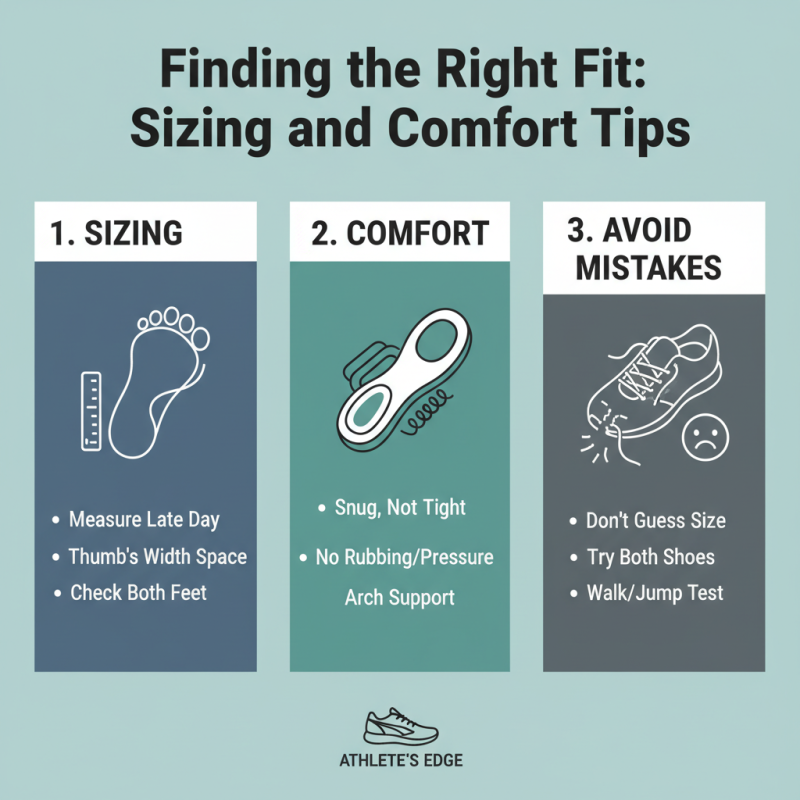
Fit is another important feature. Shoes should provide a snug yet comfortable fit. Too tight, and blisters can develop. Too loose, and you risk injury. Always try shoes on with the socks you would wear during your activity. A proper fit should allow for a thumb’s width of space at the toe.
Tips: When trying shoes, walk or jog in them. Take your time to test the shoes. Don’t rush. Reflect on what feels right. Listen to your body’s feedback. Remember, finding the perfect pair takes patience and careful consideration of your needs and preferences.
Finding the Right Fit: Sizing and Comfort Tips
Finding the perfect sports shoes is essential for any athlete. However, sizing and comfort can often feel overwhelming. Many people choose the wrong size due to various factors. This can lead to discomfort, affecting performance negatively.
When trying on shoes, walk around the store. Pay attention to how your feet feel inside the shoes. A snug fit is important, but there should be some space at the toe. It’s the balance between tightness and comfort. Remember to wear the type of socks you usually use during workouts. This ensures an accurate fit.
**Tips: Look for shoes that provide arch support. This can enhance your performance. If you have wide feet, consider shoes designed for wider builds. They may feel strange at first, but they’ll provide the necessary support during rigorous activities. Always give your feet time to adjust. This process might take longer than expected so don’t rush.**
Ultimately, finding the right pair is a journey. Be willing to experiment with different types. Not all shoes will work for you, and that’s okay. Listen to your body, and don't overlook the importance of comfort.
Top Sports Shoe Brands for Various Athletic Needs
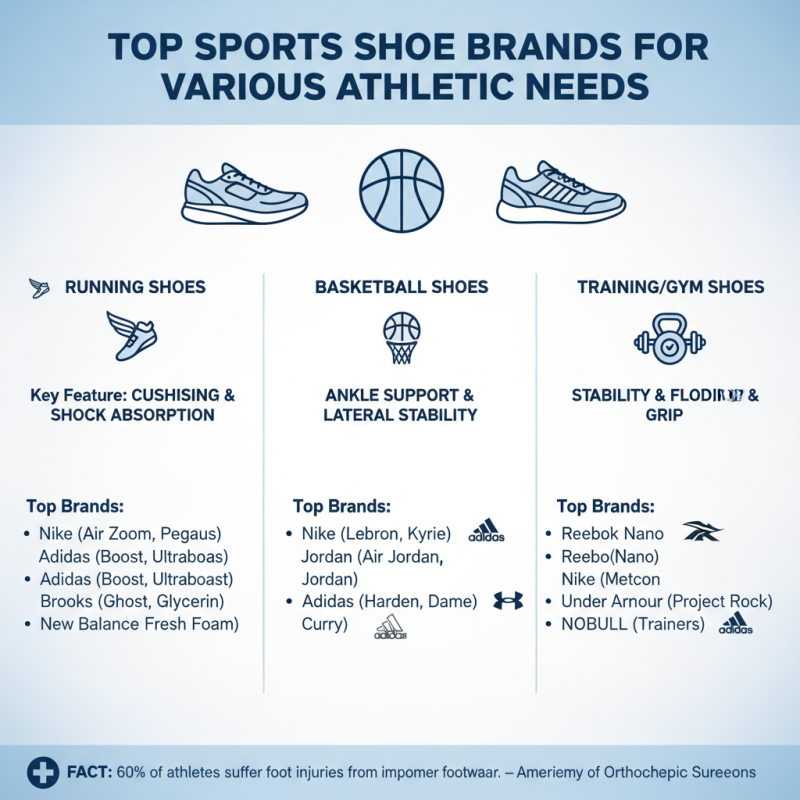
Choosing the right sports shoes is essential for every athlete. Different sports require specific features in footwear. For instance, running shoes typically offer cushioning for shock absorption. In contrast, basketball shoes provide ankle support for quick lateral movements. According to a study by the American Academy of Orthopaedic Surgeons, nearly 60% of athletes experience foot injuries due to improper footwear.
Numerous leading sports shoe brands aim to meet various athletic needs. They invest extensively in research and development. A report from the Sports & Fitness Industry Association indicates a 5% annual growth in athletic footwear purchases. Consumers increasingly seek shoes tailored to sports like soccer, tennis, and cross-training, highlighting the need for specialized designs.
However, some athletes overlook their unique requirements. This often leads to discomfort or even injuries. Foot shape, arch type, and activity level should guide shoe selection. A survey revealed that 45% of athletes wear shoes unsuitable for their sport. Understanding your needs is crucial. Experimenting with different brands and styles can enhance performance and comfort.
Expert Recommendations for Specific Sports and Activities
Choosing the right sports shoes can elevate your performance. Each sport demands different features from footwear. For runners, the right pair should provide cushioning and support. Studies show that 65% of runners experience injuries due to improper footwear. Thus, selecting shoes that fit well is crucial.
For basketball players, a shoe with good ankle support is essential. Players often make quick cuts and jumps, which increases the risk of ankle injuries. According to the American Orthopaedic Foot & Ankle Society, these injuries account for about 25% of all basketball injuries. A solid pair can mitigate this risk significantly.
In contrast, soccer requires a shoe designed for traction. Firm ground cleats optimize grip on the field, allowing players to change direction swiftly. Data indicates that proper footwear can enhance speed and stability by up to 15%. Athletes often overlook the importance of fit and comfort, which can impact performance. Selecting shoes that cater to your specific sport ensures you’re making the most of your training.